
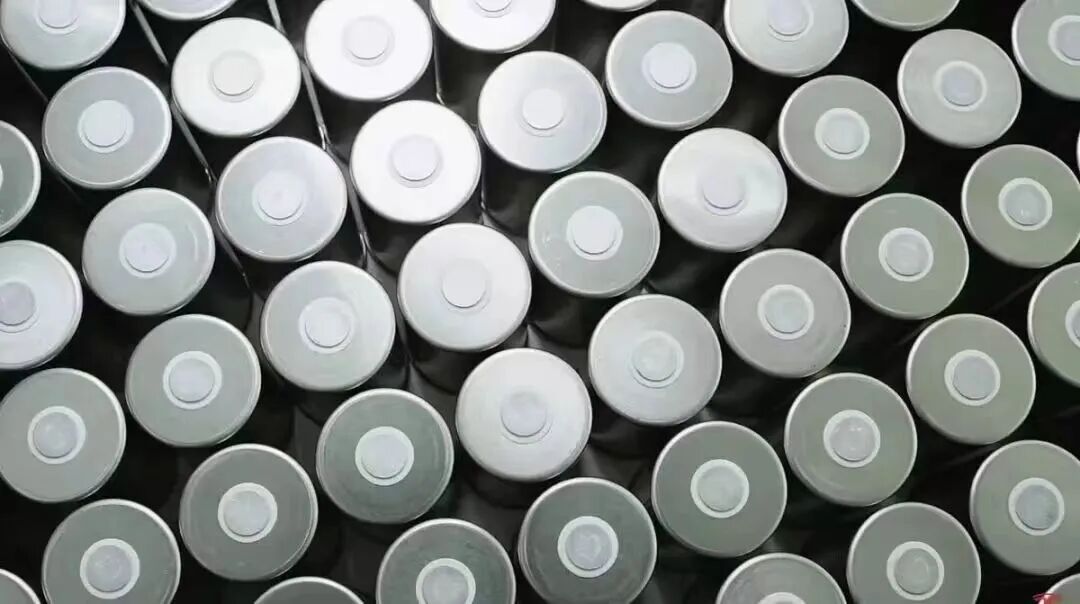
Recently, a landmark update has swept the power battery industry: Tesla has fully resolved technical bottlenecks for dry cathode manufacturing and rolled out this technology on its new-generation 4680 cells, slashing electrode production costs by nearly half.
The news has sent shockwaves across the sector. Beyond Tesla’s individual technical milestone, it marks an industry-defining shift: the dry electrode process has completed its historic transition from laboratory R&D to large-scale mass production.
The Era of Dry Electrodes:
Who Solves the Bottlenecks in Material Production?
What makes Tesla’s breakthrough so transformative? Conventional wet cathode processes rely on toxic solvents, energy-intensive drying ovens and solvent recovery systems. Tesla’s dry process eliminates solvent use and drying steps, cutting factory footprint by up to 50% and capital equipment investment by over 40%.
While the spotlight shines on the leading automaker’s achievement, a fundamental industry challenge emerges quietly: who can tackle the material processing hurdles in the dry electrode era?
This is exactly the field where Puhler has devoted years of dedicated research.
From Wet to Dry:
A Fundamental Process Revolution
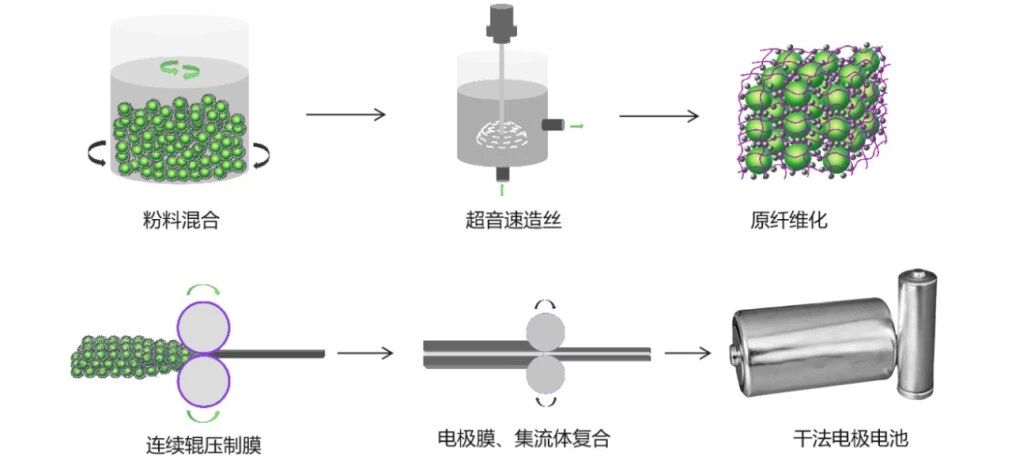
The dry electrode process is highly anticipated across the entire industry for its potential to reshape the existing manufacturing system. Traditional wet processing features complicated workflows, heavy capital investment, high energy consumption and large space occupation. Calculations show the coating and drying stage alone accounts for over 30% of total energy consumption in lithium battery production. By contrast, the dry process shifts from slurry coating to direct powder film forming, removing solvent and drying procedures. It is estimated to cut equipment investment and plant area by more than 20% and reduce energy consumption by over 45%.
One major challenge of dry processing lies in efficient powder dispersion and ultra-fine grinding without slurry as a medium, which sets extremely high standards for grinding technology. The uniformity, consistency and electrochemical performance of electrode sheets fundamentally depend on thorough deagglomeration and precise dispersion of powders. High-quality grinding is an indispensable prerequisite for subsequent film forming.
Puhler’s Solution:
Intelligent Precision Manufacturing for Dry Grinding
To meet the new material processing demands of dry electrodes, Puhler Nano delivers industry-leading dry powder preparation solutions centered on self-developed DHM® dry grinding mills.
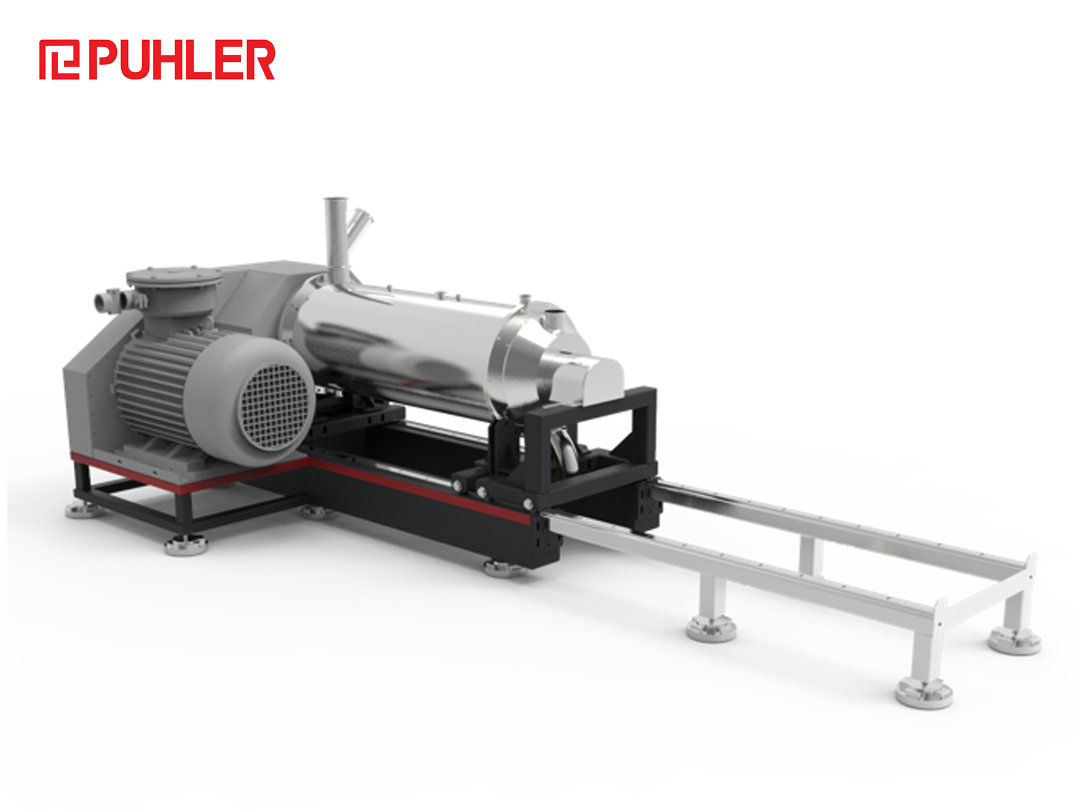

At the core of Puhler’s dry grinding technology lies solvent-free high-efficiency dispersion and ultra-fine comminution. Equipped with a special stirring structure and dynamic mixing chamber, the DHM®+ dry mill enables rapid and uniform dispersion of various powders under inert gas shielding. Powders are classified by an air classifier and subjected to progressive shear in multi-stage grinding zones to break agglomerates down to submicron sizes (D50 ≤2 μm).
Its intelligent closed-loop control system stands out as another key advantage: online particle size monitoring paired with real-time feedback adjustment ensures particle size distribution metrics (D50, D90 etc.) strictly match target specifications and delivers exceptional batch consistency. This eliminates instability caused by experience-based manual parameter tuning in conventional grinding equipment, and lays a solid engineering foundation for scaling dry electrode production from lab formula verification to mass manufacturing.
For moisture and oxygen-sensitive materials such as sulfide solid electrolytes, the equipment adopts a fully enclosed inert gas protection system, with both oxygen and moisture content controlled below 0.1 ppm to prevent material denaturation and failure. This capability is of great significance to dry electrodes. Naturally compatible with sulfide electrolytes without chemical reactions, dry electrode technology serves as a critical breakthrough for the industrialization of solid-state batteries.
Standing at the Industry Turning Point:
Puhler’s Mission and Future Outlook
The industrial application of Tesla’s dry cathode technology marks a definitive transformation in battery manufacturing processes. No longer a futuristic laboratory concept, dry electrode technology has become a practical driving force that reshapes the industry’s cost structure and competitive landscape.
Riding this industrial wave, Puhler will continue to iterate and innovate dry grinding technology. With more efficient, stable and intelligent particle processing and nano-grinding solutions, we will cooperate with industrial chain partners to accelerate the popularization and large-scale industrialization of dry electrode technology.
